Golf is a game - a magical one at that - and it's also a business - a lucrative one at that.
The golf equipment industry is huge, generating billions of dollars annually. It's why considerable funds are spent into the engineering process as companies - both large and small - search for ways to make improvements, both technologically but also stylistically, in order to separate themselves from their equally determined competitors.
Anyone who pays even the smallest level of attention to golf news publications and websites (including this one) will know that new products are released constantly, with particular excitement coming in the early weeks of a fresh calendar year, which is when many of the leading brands will release their latest clubs into the marketplace.
The hype is considerable, the marketing budgets enormous, meaning that there is a great deal of buzz when the likes of Callaway, PING, COBRA, Titleist and Srixon release new gear, with the biggest splashes typically being made for drivers.
You will hear a lot about what's been enhanced, what tech has been unleashed, once more pushing the boundaries of performance, but given that this is often said every 12 months, it's easy to become cynical about what's being presented to you.
Could We See Fewer Golf Drivers Released Each Year?
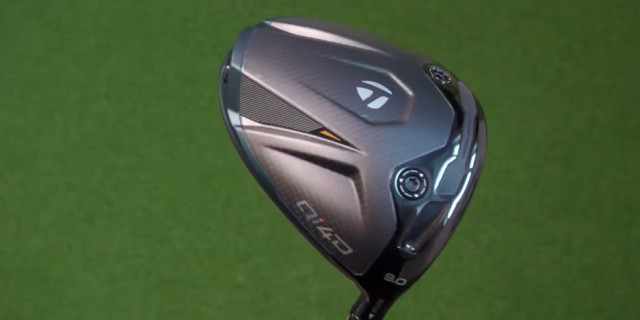
Modern golf clubs are extraordinary, the drivers are remarkably advanced and they are undeniably a credit to the engineering and scientific brains behind them. But can they really be that much better than what came just before?
TaylorMade has caused something of a stir by announcing that they won't be releasing new drivers in 2027 as they are switching their cycle to a two-year one.
What this means is that the Qi4D family - a superb release - that was introduced at the beginning of this year will remain the brand's staple range for the immediate future. Golfshake's Equipment Expert, Ryan Rastall believes that this is the best driver of 2026.
The question is whether this will lead to a recalibration of the industry, could other big names follow? That remains to be seen, but it was a striking shift in strategy that may just reflect a few realities.
Despite all the incredible drivers that are available today, are golfers actually hitting the ball any further than they did before, which is among the prominent claims made in just about every press release? Well, not really.
Recent data has shown that "average driving distance for men has increased by less than one yard since 2018, while women’s averages remain within four yards of their original baseline."
We've seen spectacular surges in innovation since the beginning of this century, but those giant leaps will have naturally slowed down, and the designers have to work within the parameters established by the governing bodies, the R&A and USGA.
Do Golfers Care if The Equipment Industry Changes Product Cycles?
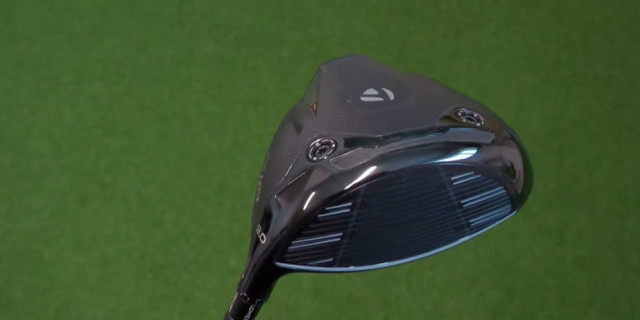
Golf gear enthusiasts love getting into the minutiae of the products and comparing them to rival companies and past models. But what about the average, everyday golfer, do they really care that (perhaps) fewer new drivers could be released each year?
Surveying more than 1,600 golfers in 2023, we asked: "On average how often do you purchase new golf equipment?"
Just 0.99% said that they bought new drivers every six or 12 months. A further 7.77% said they purchased drivers every one or two years, with a whopping 49.28% (essentially half of golfers) stating that they only spent money on a driver every four years or more.
These figures were consistent with a prior survey (asking the same question) that had been conducted in 2018.
What it demonstrates is that only a tiny percentage of golfers even think of switching drivers on an annual basis and the biggest proportion of us, ultimately, won't buy a different driver within four years (or even longer) of the last that we paid for, meaning that cycles and cycles of new releases have simply passed most of us by.
Fewer drivers might mean less intrigue for equipment reviewers and retailers, but for the normal golfer, especially during a time when the importance of custom fitting is becoming increasingly paramount in the search of gaining some improvement - look at what else TaylorMade has just done - they'll probably be just fine if new drivers only appeared when we were all truly ready for them.
 X / Twitter