When most golfers think of the ultimate Scottish golf trip, they picture St Andrews, the Old Course, and the famous Swilcan Bridge. However, far to the north, beyond Inverness and along the shores of the Moray Firth, lies a collection of links courses that are every bit as historic and extraordinary. For golfers willing to venture a little off the beaten path, the northern Highlands offer one of the best golf trips imaginable.
Even reaching the Highlands is part of the experience. There are two main options if you are not driving. The Caledonian Sleeper train runs overnight from London directly to Inverness. Alternatively, regular flights into Edinburgh connect to scenic local trains up to Inverness. Either way, arriving at Inverness carries a real sense of occasion. The city makes the perfect base for the first leg of the trip, with daily flights, a strong food scene, and easy access to a string of remarkable courses. From Inverness, a car and a tee time are the only things standing between you and some of the purest golf in the world.
Prime Real Estate Dedicated Entirely to Golf
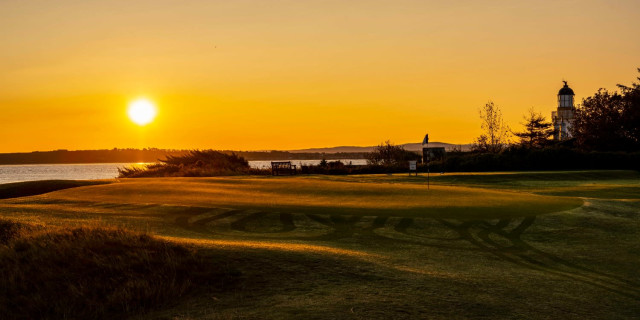
The first stop should be Fortrose and Rosemarkie, one of the oldest golf clubs in the world. Golf has been documented there since 1702, and the club is officially recognised as the fifteenth oldest course in the world, established in 1793. In 1923, the course was shaped into its current form by five-time Open champion James Braid. The course occupies the entirety of the Chanonry Peninsula on the Black Isle. Prime real estate dedicated entirely to golf, something you may only find in Scotland. The sea comes into play on nearly half the holes, dense gorse frames tight fairways, and small subtle greens reward precision over power. It is a quirky and welcoming introduction to Highland links, the kind of course where you can feel the local community.
The Magnificent Nairn

A short drive away is Nairn, and it stands among the finest courses in the entire region. Laid out along the Moray Firth and refined over the years by James Braid and others, Nairn carries a genuine championship pedigree, having hosted the Walker Cup and numerous national amateur events. The opening holes run tight along the shoreline, where the beach waits to swallow anything pushed right, before the course turns inland through gorse and heather. It is a course that demands thought on every shot but yet never loses the warmth and hospitality that defines golf in this part of Scotland. For many who make the journey, Nairn ranks among their favourite courses anywhere in the world, and I would have to say I am among those many.
Royal Dornoch is Simply Legendary
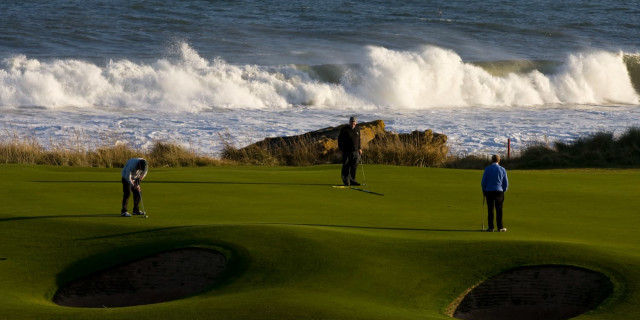
With Fortrose and Nairn behind you, the trip moves north and Dornoch becomes the natural base for the days that follow. Ideally placed for Royal Dornoch and the courses further north. Two options stand out. Firstly, Links House, the only five-star hotel in the village, sits less than a hundred yards from the first tee and pairs sophisticated country house style with excellent amenities. Secondly, the Royal Golf Hotel offers four-star rooms overlooking the course and the sea, many with views straight down the opening hole. For larger groups, a well-placed Airbnb in the village is often the better shout, giving you the space to spread out and a feeling of the quaint local village.
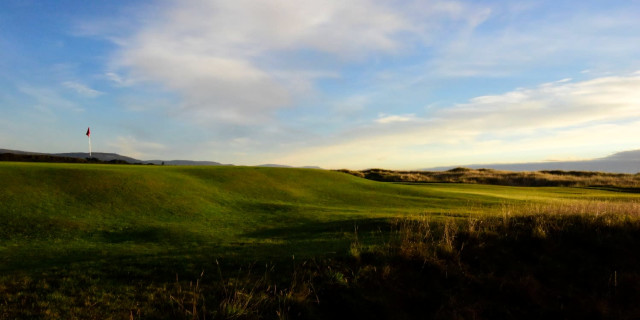
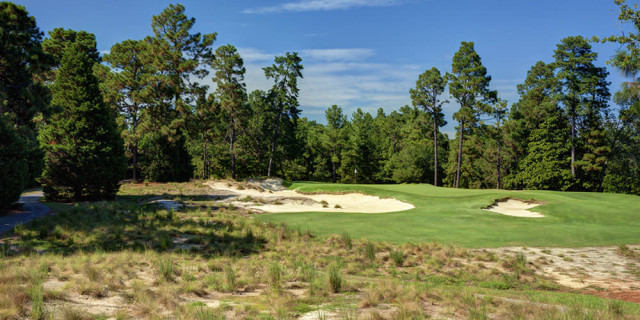
With that being said, the centrepiece of any trip to the Highlands is Royal Dornoch. This is the course that put the region on the map, the inspiration behind every iconic Donald Ross design, and quite possibly the finest course never to have hosted an Open. Ross was born in Dornoch in 1872 and served as the club's keeper of the green before emigrating to America. Once in America, he brought the upturned greens and natural contours he grew up with at Dornoch to the hundreds of courses he designed, most famously, Pinehurst No. 2. The setting alone justifies the journey. The opening hole offers the only logical birdie chance on the card, though that is hardly what occupies the mind on the iconic first tee. As you walk to the third fairway, the entire course opens up beneath you, the links spilling out along the coast below is one of the most beautiful sights in all of golf. The round itself more than lives up to the scenery, and once it is over, the clubhouse proves equally special, packed with memorabilia spanning centuries of the game.
Golspie Blends Different Styles of Golf Together

The next stop should be Golspie, a course that offers a fascinating blend of styles within a single round. Founded in 1889 and later touched by James Braid, Golspie moves seamlessly between traditional seaside links, heathland, and parkland, weaving the three together in a way you rarely encounter. The variety keeps you engaged from the first tee to the last, and the setting beside the Dornoch Firth remains spectacular throughout. It is a reminder of just how much depth this stretch of coast holds beyond its more famous names.
Brora is Naturally Thrilling & Unforgettable
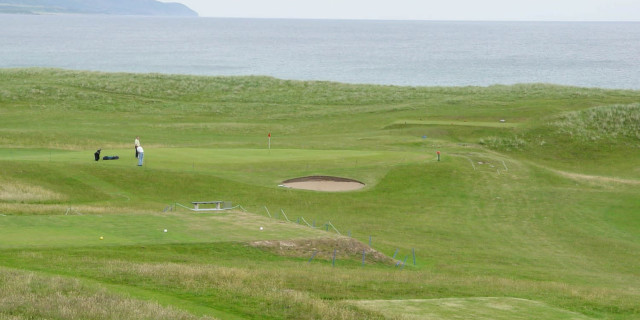
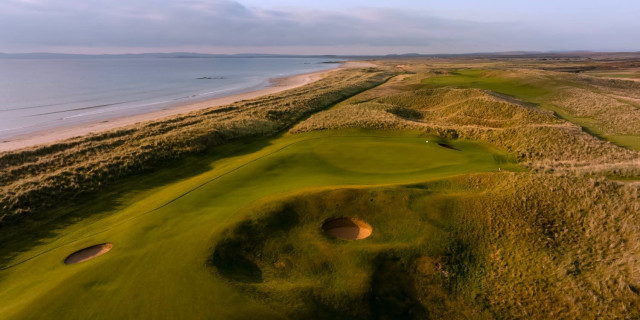
A short drive north brings you to Brora, and it delivers one of the most memorable experiences in all of golf. This is a wild links where Highland cattle and sheep still roam freely across the fairways, with single-strand electric fences protecting each green from the livestock. The James Braid design dates to 1891, and the course remains the home of the James Braid Golfing Society. It looks and feels like the course’s legends like Old Tom Morris and Willie Park would have played, untouched by bulldozers and routed naturally over the contours of the North Sea. Yet thanks to the protected greens, Brora offers some of the purest putting surfaces in northern Scotland. The club also offers a heavily discounted members rate for those who return more than once a year, and for anyone drawn back to its wild charm, it is well worth it.
Castle Stuart is a Modern Masterpiece
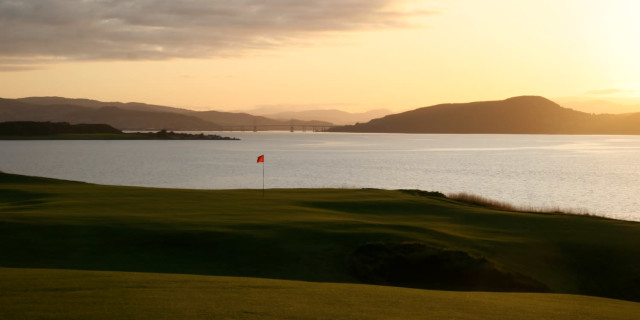
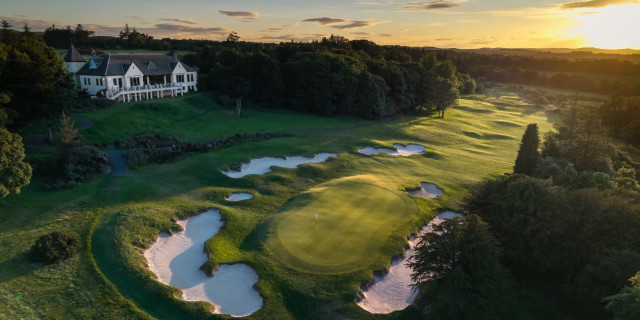
The final stop is Castle Stuart, recently renamed Cabot Highlands. Designed by Mark Parsinen and Gil Hanse and opened in 2009, it is the modern counterpoint to the ancient links that inspired it. Yet it feels every bit as natural and special. The course is routed on two levels, with holes running right along the edge of the sea and others perched above on higher ground. This format offers dramatic panoramic views of the dunes and peninsulas where the trip first began. The holes wind from massive gorse-covered cliffs down to the coastline and back through small dunes and valleys. All of which culminate with the final stretch of holes, which position the famous Art Deco clubhouse as a beacon in the distance, guiding you back. Having hosted four Scottish Opens, Cabot Highlands is a fitting and dramatic finale to the journey that is golf in the Scottish Highlands.

The Highlands is Unbeatable
From Cabot Highlands the trip works its way back toward Inverness, where a train to Edinburgh and a flight home, or the Caledonian Sleeper train awaits. This is not a trip for the faint of heart. Expect weather, expect wind, and expect challenging golf at every turn. Yet alongside that, expect some of the most beautiful traditional courses you will ever see, the friendliest people in the game, and delicious food at the end of every round. It feels more authentic and more intense than a typical St Andrews pilgrimage, a journey steeped in history and framed by breathtaking scenery. For anyone who truly loves golf, the northern Highlands deliver an experience few destinations in the world can match.
If you would like to know more about embarking on a golf trip to the Highlands, please visit our travel partners Golfbreaks by clicking here, or check out this page if you're a golfer based in North America.