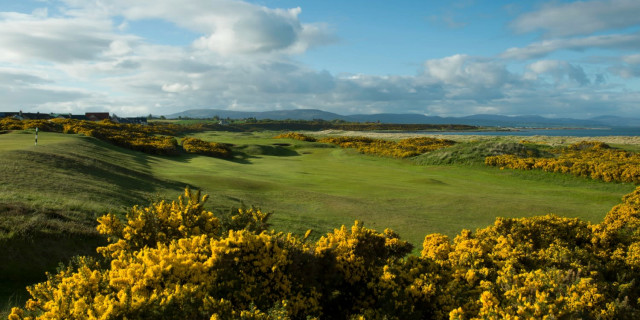
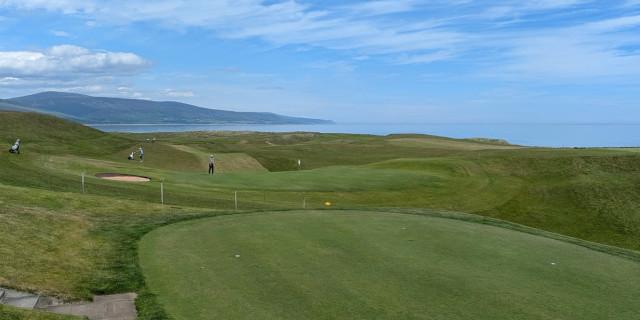
Brora is undeniably one of Scotland's finest links courses. Tucked away in the historic county of Sutherland, part of the Highlands, this was once a genuine hidden gem, overshadowed by the likes of nearby Royal Dornoch, but its fame and reputation has soared in recent years to ensure that it's now one of the nation's ultimate must plays.
One of James Braid's true masterpieces, five-time Open champion Peter Thomson was particularly fond of this layout, stating that it was "the most natural links course in the world."
It's an enchanting place - as I can attest to from personal experience - that is packed with charm both in terms of the holes themselves but also the stunning environment in which they reside.
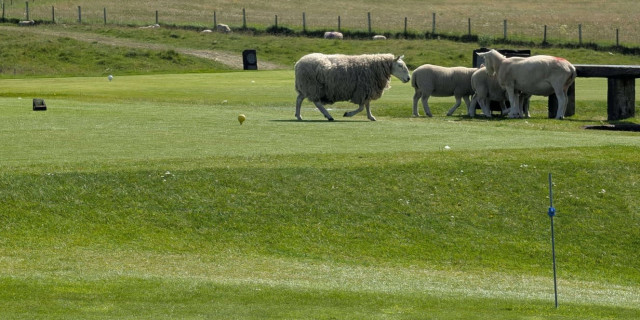
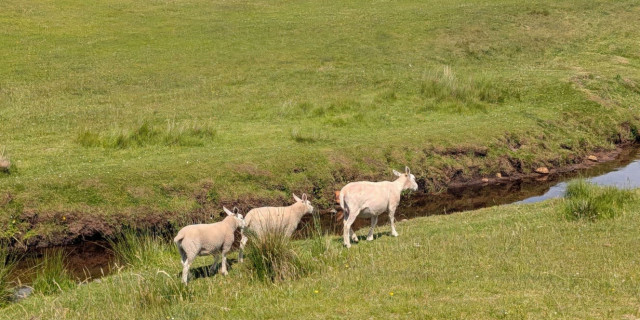
But one distinctive feature of playing golf at Brora is that you will often be observed by a disinterested gallery of sheep and cows who graze on the landscape, sharing the fairways alongside you, with the greens being protected from damage by small electric fences that surround them, keeping the animals away from the most delicate of playing surfaces.
When you think of rural golf in Scotland, this isn't revolutionary, as you can find examples elsewhere. I grew up playing the Kingarth course on the Isle of Bute that, until 2009, was similarly populated by farm animals.
But for a destination that has been ranked inside the top 30 in the country by leading publications, it does seem outwardly peculiar that cattle would still be present on a course that annually attracts international golfing tourists.
And this is something that the golf club is actively seeking to change.
(Image Credit: Howard Gluckman)
Having finally secured ownership of the land from Sutherland Estates in 2021, after a four year process, with the help of community benefit funding, the club membership voted overwhelmingly in early 2025 to seek a ban on livestock, ending a situation that has seen crofters having the right to use the land to house their animals due to historic laws that have caused discontent among golfers for decades, especially since the number of cows and sheep being visible increased dramatically.
For some, the presence of the animals has been a unique quirk to Brora that added to its appeal, but those who regularly play the course didn't see it that way.
"We are very much aware that there are people who see the sheep and cows as an integral part of the Brora experience,” former club president Andy Stewart said in 2025. "But as locals, we are also probably more attuned to the impact those animals have than are people who play the course just once a year."
(Image Credit: Howard Gluckman)
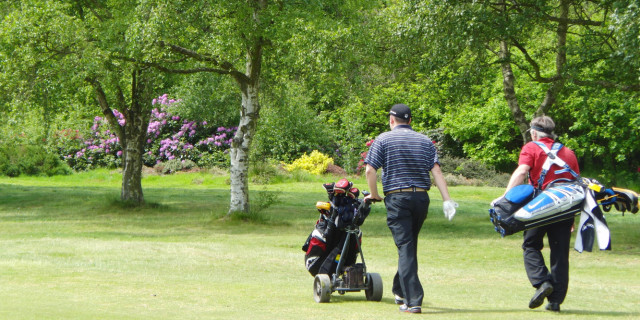
From hoofprints on the fairways to the impact of dung (not a hazard you want your ball to find), there were understandable concerns related to the condition of the course to consider.
"There have been many times when members, myself included, have been out on the course with shovels at five in the morning," Stewart added.
"This is one of the world’s great links and it has always been our wish to get our course back. We want to play to greens that don’t have electric fences, and without special rules like what do you do if your ball winds up in cow sh*t. They don’t do that at the Masters or the Open Championship."
You can't argue with that logic, but the crofters themselves would, and a complex legal discourse has been in motion since, with little sign of the saga ending imminently.
The Northern Times reported earlier this month that: "The golf club has applied to the Scottish Land Court to remove crofters' rights to graze their animals on the course, a process known as a 'resumption'. A hearing is expected to take place later in the year. However, no date has as yet been scheduled."
It was also noted that "16 crofters hold a total of 48 shares in the common grazings with a total of 48 cows and their calves or 240 sheep and their lambs permitted on the course."

(Image Credit: Howard Gluckman)
Given the potential economic impact of losing this ground for grazing, which is invaluable to people and businesses within this rural part of Scotland, it should be recognised that there are members of the public who are not in favour of ending the historic arrangement, which was a fact brought to a head during a recent community council meeting at Brora Community Lounge.
Diana Royce, who is an associate member of the community council, described her stance on the dispute: "This is no ordinary grazings - it is a fantastic grazings and the nearest we have on the east coast to machair, full of silica and minerals, and it is very valuable to the crofters and worth a lot to them.
"This would probably be the first resumption of a complete grazings. Small areas of grazings have been resumed across the Highlands, but never a complete one, so this would set a precedent.
"The golfers and the crofters have co-existed for years, and I do not see why this cannot continue.
“I recognise the importance of the golf club but I do not think that we owe them anything. They used our community benefit money to buy the golf club, and have received a lot of community benefit funds for equipment and other things.
"I do not think we should feel sorry for them and I think the crofters are the ones we should speak for and not the golf course. They are not going to lose their jobs or income. Once the grazings are gone, they are gone for good."
(Image Credit: Howard Gluckman)
There is a "live case" in process, confirmed by the Scottish Land Court, but it could be some time before we see a resolution to this fascinating and complicated story.
The health and future success of the golf club - which draws a significant number of visitors to the village each year - is just one part of the equation, as the needs of the crofters and their role within Highland life holds importance too.
Ultimately, whatever happens, Brora is somewhere that should be on your list to experience, with it ranking alongside the very best golf courses that you can play for under £100.
But if you desire to stroll the fairways with the animals watching on, you should consider making that visit sooner rather than later.
 X / Twitter