The promise of spring is reaching out to you and the majesty of the Masters and Augusta National is rapidly approaching. It can only mean that better days are in view and that the golf season is nearing - but my goodness, it has been a struggle to get there.
We'll readily admit that playing golf in the winter isn't for everyone, but that has been especially true in recent months as repeated storms have struck and a staggering level of rainfall has fallen consistently throughout parts of Great Britain and Ireland.
Particularly if you live in the likes of southern England, eastern Scotland, and Northern Ireland, which all saw almost unprecedented levels of rain in January, golf courses have more closely resembled highly saturated bogs than the typically manicured fairways that we have come to love.
The Struggles Faced by Golf Courses This Winter
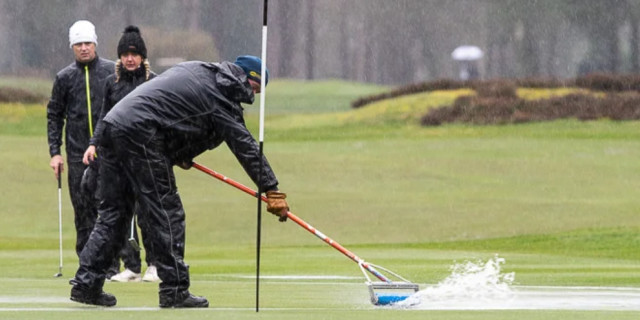
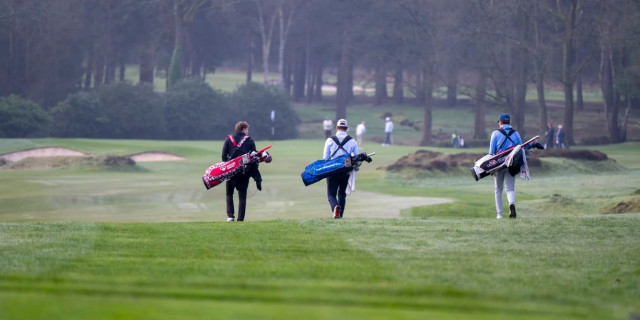
(Image Credit: Kevin Diss Photography)
It's meant that even if you wanted to get out and play golf - and some may question the sanity of those who did - that regular necessary closures made that impossible.
Things are gradually beginning to dry up, thankfully, but that will be a slow process and it could be some time before your favourite layout is looking back to somewhere like its peak best.
Frustration and disappointment is perfectly understandable, but it's essential to remember that it's not just your course that has been affected by the perennial deluges.
That was the subject of a recent Substack article by Andrew Terry of Link Golf UK, who has successfully overseen the revitalisation of several previously struggling municipal courses and knows more than a thing or two about managing and maintaining them.
Despite the best efforts of greenkeeping teams to combat the elements, the power of nature is sometimes too difficult to overcome, as Andrew noted when he said: "You can clear ditches, you can dredge, you can aerate, you can install drainage and we are doing all of that across Link Golf UK but if the water table is sitting high, the system is under pressure everywhere."
Just because holes are closed, it doesn't mean the work to protect them hasn't been tireless.
What Are Golf Courses Doing to Stay Open?
Measures to encourage better drainage - as outlined above by Andrew - have been commonplace, but that is a potent challenge in those locations where there are already systemic and ecological factors at play.
It goes without saying that some golf courses naturally drain better than others. Bunkers will be often filled by water and certain areas will be marked GUR.
Many of us encounter the likes of temporary greens and traffic management practices each winter, but given the extreme conditions of late, these have been a more regular sight and something that golfers have been forced to accept in order to play, but all of this has been required to ensure that as much of the course can remain playable for as often as possible, at the same time as supporting efforts that will give the surfaces a better chance to be at the desired standard come the springtime.
How Can Golfers Help?
As golfers, we can all play a supporting role. Simply put, we have to be accepting of the situation and the efforts that have been deployed to tackle the unrelenting weather. That means following instructions that have been outlined, remaining patient during the process, and sticking to laid out routes on the course, using a fairway mat when it's a requirement, using the temporary tees when they're in place, and doing what you can to aid the efforts of greenkeepers.
Repairing pitch marks and divots (where they occur) is something we should always do, but even being conscious of where you place your golf trolley would be appreciated too - and you may even consider carrying your bag if you're able.
There will be times when you can't play - and closures have a financial impact on golf clubs. That's where you can assist by spending more hours in the clubhouse or spending money in the shop, helping to keep income flowing during those moments when green fee revenue has disappeared.
We're all in this together as golfers, greenkeepers, and course managers, we all want the same thing, which are the best possible course conditions to play as often as we desire.
And it's through respecting the challenges presented by the climate in recent months that our beloved courses will be restored to a healthy state for them to deliver a memorable season ahead.
Ultimately, your golf course isn't the only one struggling right now - and we all need to remember that.
 X / Twitter