If, like us, you're based in the UK or somewhere with an equivalent grim climate in winter, then you know that playing golf can be a challenge at this time of the year.
We're regularly struck by cold, wet, blustery weather that can make underfoot conditions boggy and the overall experience of being on a course more of an endurance test than a gentle round with friends.
That said, the benefits of continuing to brave the elements are plentiful. It's great for your golf game and will ensure that you won't go into the new season having to shake off rust that those who pack their clubs away for months have to overcome, and the health upsides of getting out into daylight, stretching your legs for a few hours and staying mentally engaged offer so many positives to golfers of all ages.
However, the problem can be finding somewhere appealing or suitable to play. Many golf courses simply aren't in great shape in December, January or February, and when you consider the prospect of temporary tees, greens, fairway mats, or even key holes being shut for essential maintenance, the entire experience can feel somewhat compromised.
Accepting that it won't be like playing on a beautiful afternoon in July is obvious and should be expected, but we nonetheless appreciate the chance to play a round of golf that is akin to what you get during the peak months where possible.
Whether it be a circumstance of geography or simply due to the type of soil their holes are laid out across, there are courses out there that pride themselves on what they can present to visiting golfers during winter.
If you are searching for somewhere to play during the coming weeks, here are some of the qualities you should be looking out for.
Good drainage conditions
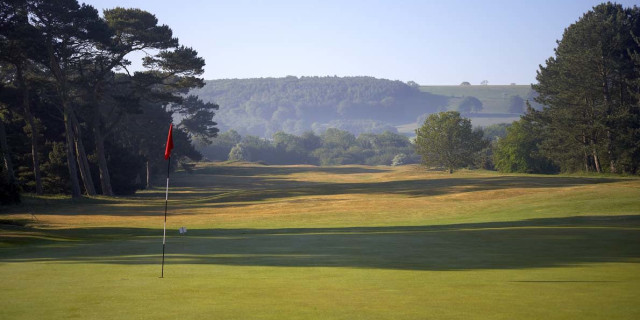
We've all encountered courses that are sodden underfoot, where fairways begin to resemble mudbaths, which was a significant problem a couple of years ago when rainfall was distinctely heavy, meaning that searching for those courses that boast superb drainage should be a priority.
Links courses and heathland layouts are the ideal places to begin as the sandy soil naturally will drain faster than what you can expect from more conventional parkland venues, but there are a considerable number of inland designs that defy expectations as they have invested heavily to improve their drainage.
Start on the seaside and work in from there, but also take a look at reviews on Golfshake and the locations that other golfers recommend to you for winter golf.
Full tees and greens
Due to key maintenance projects or to protect surfaces from damage in wet or frosty conditions, some golf courses will regularly introduce temporary tees and greens throughout the winter months.
Personally, this is the part of winter golf that I dislike the most as hitting shots to a marked section of fairway with a hole cut into it doesn't feel like a proper experience to me.
Those temporary tees can also shorten courses significantly - which may impact WHS status - and it's something to think about if you're planning to visit somewhere different for a round.
Venues that retain full tees and greens in winter have an obvious edge.
No fairway mats
Alongside the likes of temporary tees and greens, even more golf courses will make fairway mats mandatory. There is obvious logic behind this in an effort to protect the turf from damage at a time of the year when growth and recovery is difficult, but it's certainly not universal and there are places that don't require that golfers place small pieces of artificial plastic or astroturf under their ball.
Fairway mats are not something that bothers me - I'm fully accepting of them - but it would be an added bonus if you could play somewhere that doesn't apply them in order to enjoy a fully authentic golf experience.
However, if you have no option but to use a mat, it's important to know which type of product is most suitable for your game, as we have discovered that some are clearly better than others.
Winter green fees
It goes without saying that what golf courses can offer you in winter isn't quite at the prime level of the summer, but thankfully the requisite green fees are often priced to reflect that.
Golfers now regularly complain about what they're being asked to pay when visiting a venue - especially one that is higher ranked - but the winter can be a tremendous window of opportunity to tick off a superb layout for less.
We've recently explored some of the amazing value for money that is available at this time of the year and there are many others like them.
Keep an eye out for some terrific winter savings and consider playing those courses.
Special winter tee time packages
Likewise, in addition to reduced green fees, many venues attempt to separate themselves from the crowd by launching special packages for winter golf.
You will regularly see deals that include your tee time alongside a cup of coffee and bacon roll - but hopefully there are alternatives available for vegetarians like me. You may also come across offers that feature breakfast or lunch on top of your round, meaning that it can become a proper day out.
Courses with an open clubhouse
One of the major appeals of playing winter golf is the chance to socialise and spend time with your regular golfing partners. Helpful in that regard would be the prospect of having a chat in the comfort and warmth of the clubhouse. It's also a great way to support clubs financially when revenue can be especially limited.
Some clubs have reduced hours or even shut down their facilities entirely, which is fine if all you're wanting is to play golf and then head home, but if you have the desire to expand your day and participate in the camaraderie of the clubhouse, then making sure the place you're visiting remains open before or after your round can complete the perfect winter golf experience.