Wherever you look these days, from greater recycling capacity to the national ban on certain single-use plastics, society is searching for ways to become more environmentally sustainable.
Given that they reside (hopefully harmoniously) within nature, golf courses have increasingly adopted the same mindset to ensure that they are ecologically sound and support the health of wildlife.
Venues have adapted their irrigation practices and reduced their use of pesticides and fertilisers, in addition to better using their property to embrace birds and animals, but there are extra measures that some clubs have taken to adjust the habits of golfers who are playing the course.
You will have likely seen the rise of bamboo tees in recent years as parts of the game try to phase out the use of plastic tees, which don't break down naturally and can last for hundreds of years, producing a damaging impact on the environment over time.
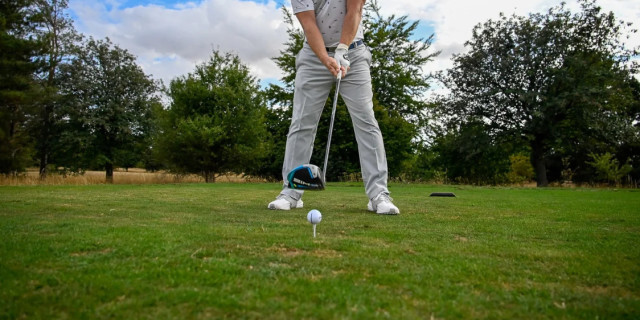
(Image Credit: Kevin Diss Photography)
Golf tees are easy to lose and if you only used plastic versions, what you leave behind over a lifetime on the course is substantial, which can harm creatures of all kinds, and even negatively affect greenkeeping mowers and equipment. There are estimates within the golf industry that almost five billion plastic tees are used every year worldwide. It's important to consider the pollution caused just by the manufacturing of these products.
But should they be widely banned? That move has been taken by some golf clubs.
Which Golf Clubs Have Banned Plastic Tees?
Ahead of what would ultimately be a surreal golf season in 2020, a group of 25 locations, including the historic Royal North Devon Golf Club, and former Open venue Prince's Golf Club decided to ban plastic tees from their course.
Since then, more places have joined them, including Cardiff Golf Club, who prohibited the use of plastic tees from 1st January 2026.
Mark Trigg, Secretary of Cardiff Golf Club, spoke to Wales Golf, explaining the decision: "Well established research shows that plastic tees are incredibly bad for the environment. The process of manufacture uses chemicals that make plastic tees means they take many hundreds if not thousands of years to biodegrade. As well as being detrimental to the environment, research also shows that small mammals and birds are ingesting the shards of plastic produced when tees break.
"All golf clubs are guardians of and provide a fantastic environment for flora fauna and wildlife and it seems hypocritical to be introducing 'poisons' on to our course when there are more suitable alternatives.
"The environment as a whole benefits. It also shows in a small way that the club cares about the environment and that we wish to reduce the impact our course has in detrimental ways. The industry has done much, and continues to reduce chemical usage in fertilisers, pest control and water usage, and the ban of plastic tees use is a simple way to help reduce any detrimental effects golf causes.
"Green staff are also pleased. The discarded and broken plastic tees have caused some damage to blades and machinery so they will be pleased when the total ban is in place. As trained staff, they are more aware than most of their responsibilities to act as guardians of the course which includes less detrimental acts on the course and the environment."
Should a Ban Become More Widespread?
The question is whether the benefits justify a total ban. Experts have their views on that - and there is no question that an individual plastic tee has more of a negative impact than alternative options, especially bamboo tees, which are biodegradable, but it's also true that wooden tees break in a far greater volume than plastic tees.
Golfers using standard wooden tees can easily go through several during an average round - and leaving those scattered around can't be ideal for the environment, either.
As Green Swing, who produce bamboo tees, explains: "Most wooden tees are made from slow-growing hardwood trees, meaning they’re not a sustainable resource. They’re also prone to snapping, meaning golfers burn through large quantities quickly. The breakage rate, plus the environmental cost of harvesting and processing hardwood, makes them a less-than-ideal choice for modern golfers."
Naturally, they champion the benefits of bamboo tees, which are more durable and can be highly sustainable. If you haven't yet tried these products, the chances are that you know someone who has.
The direction of travel is moving - rightly - away from plastic in favour of better alternatives.
Anything that ensures that golf can do its part for the environment is to be welcomed. The knowledge has increased and now the will is there, with some of the most traditional clubs in the game at the forefront of this journey towards the future.
 X / Twitter