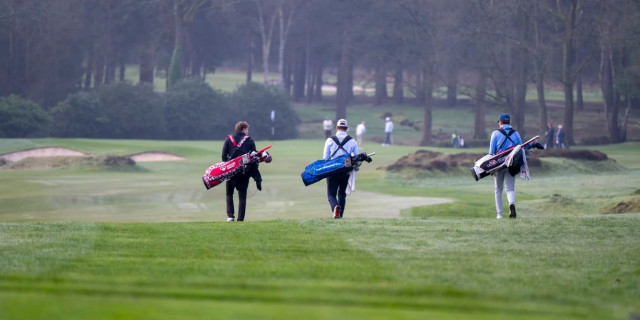
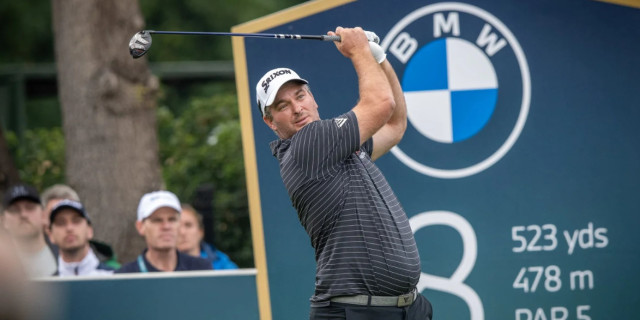
With television rights changing, streaming services becoming increasingly important and professional golf split across multiple tours, we wanted to understand how today’s golfers consume the game - and what would encourage them to watch more.
More than 800 golfers completed the survey. The audience was predominantly made up of regular golfers, with 77% being golf club members and 96% male.
The survey also reflects an older golfing demographic, with 60% aged 65 or over, 25% aged 55–64 and the remaining 15% under the age of 54.
Golf remains popular to watch
The appetite for watching professional golf remains strong. Just over 50% of respondents said they watch tournament golf every week, only slightly down on the equivalent survey in 2024, while just 1% said they never watch golf on television or streaming services.
That suggests golfers remain engaged with professional golf, but our survey also highlights several areas where viewers believe the experience could be improved.
Golf tournaments continue to attract spectators
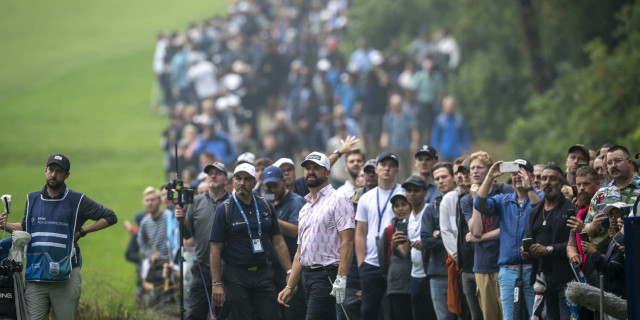
Watching golf is not limited to television. More than 71% of respondents have attended a professional golf tournament, almost identical to the findings from our 2022 and 2024 surveys.
Among those who have attended events, The Open remains the tournament most golfers have experienced, at 53%, closely followed by DP World Tour events at 50%.
Attendance at LIV Golf remains comparatively low. Just 4.7% of respondents have attended a LIV event, although this is a small increase from the 3.6% recorded in 2024.
LIV Golf has yet to become essential viewing
While most respondents regularly watch tournament golf, significantly fewer are following LIV Golf. With uncertainty surrounding its future, that is unlikely to change.
Only 19% said they had watched LIV Golf on television or via streaming services, almost identical to the figure recorded in 2024.
We also asked golfers whether they would miss LIV Golf if it disappeared, and only 5% said they would.
Although LIV continues to generate headlines within professional golf, our survey suggests it has yet to become an essential viewing habit for the majority of regular golfers.
YouTube continues to grow as a golf destination
Traditional television remains important, but YouTube continues to strengthen its position as one of golf’s biggest media platforms.
Almost 90% of golfers under the age of 45 said they watch golf content on YouTube, while around 70% of those aged 45–54 also regularly use the platform.
The survey also points to growing interest among older golfers, with increasing numbers of golfers aged 55 and over now turning to YouTube for golf content alongside traditional television coverage.
The changing way golfers consume golf
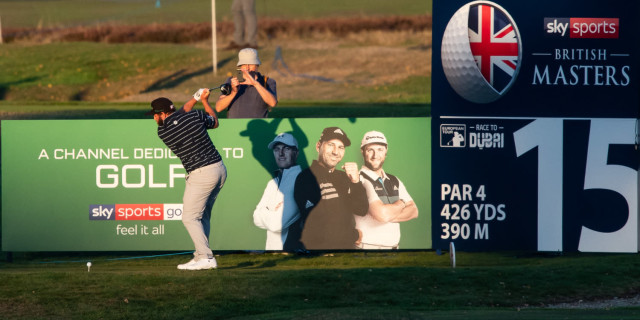
The findings paint an interesting picture of how golfers now consume professional golf. Traditional tournament coverage remains hugely popular, but your comments reveal growing frustration with the modern viewing experience.
Golf fans increasingly feel that watching professional golf has become fragmented. Rights are spread across multiple broadcasters and streaming platforms, access often sits behind expensive subscriptions and live coverage is punctuated by frequent commercial breaks.
Many of you also feel that broadcasters focus too heavily on star players, meaning viewers miss much of the tournament unfolding elsewhere on the course.
None of these challenges is unique to golf. Broadcasters invest significant sums to secure media rights, and advertising and subscription revenue are fundamental to recovering those costs. However, the survey suggests many golfers believe the balance has shifted too far away from the viewing experience.
Perhaps that is one reason YouTube continues to grow. Unlike traditional television, it gives golfers complete control over what they watch, when they watch and how long they spend watching.
The survey does not suggest YouTube is replacing live tournament golf. Instead, it appears to be filling gaps left by traditional broadcasting, offering greater choice, more personalities and on-demand viewing that complements live tournament coverage rather than competing with it.
So what would make golfers watch more?
We asked one simple question:
“What would make golf better to watch on TV?”
Several clear themes emerged.
1. Make it easier to watch
The most common response was about access. Golfers repeatedly said they wanted tournaments to be easier and cheaper to watch, particularly the biggest events.
Typical comments included:
“If it was cheaper or free to air.”
“Availability, especially the Majors, which should be on free-to-air services.”
“Terrestrial coverage.”
“Free access.”
While some praised Sky’s production, many felt the sport would benefit from wider free-to-air coverage that helps grow the game and allows casual fans to watch the biggest events.
2. Less interruption, more golf
Advertising was one of the most consistent frustrations.
Golf is already a long broadcast, and viewers do not want to miss key moments because of commercial breaks.
Comments included:
“No adverts.”
“Fewer adverts.”
“More live golf and far fewer adverts.”
“Fewer adverts, especially on American broadcasts.”
For many golfers, improving the viewing experience starts simply with showing more golf and fewer interruptions.
3. Show more of the field
Another common criticism was that broadcasters focus too heavily on a handful of players.
Viewers want to follow the tournament as a whole rather than repeatedly returning to the biggest names or featured groups.
Representative comments included:
“Show more golfers, not just the top players.”
“More coverage of the whole field, not just the leaders.”
“Stop focusing on featured groups who often aren’t playing well.”
“Less analysis and more shots.”
Golf fans clearly want a better sense of the tournament story, not just the headline acts.
4. Speed the game up
Some of you pointed out that television can only do so much if professional golf itself remains slow.
Calls for quicker play appeared throughout the survey.
Comments included:
“Faster speed of play.”
“Clamp down on slow play.”
“Improve the pace of the game.”
“Fewer slow players.”
“Quicker rounds. It is ridiculous that two-ball games take five hours.”
Rather than changing the broadcast, these golfers believe improving the pace of play would naturally make tournaments more engaging to watch.
5. Show more golf shots and fewer putts
Viewers also want broadcasters to spend less time on putting greens and more time following shots around the course.
Many respondents felt too much airtime is devoted to routine putts, while some of the most interesting parts of the game happen elsewhere.
Comments included:
“More shots rather than putts.”
“Follow players rather than showing only tee shots and putting.”
“Less emphasis on putting.”
For these golfers, the excitement comes from recovery shots, approaches, long irons and creative play - not endless footage on the greens.
Golfers also offered practical ideas
Alongside the frustrations, respondents suggested several ways broadcasters could improve the viewing experience.
Many would like more flexible viewing, including shorter highlights programmes, better access to tournaments beyond the biggest events and broader coverage across the men’s and women’s professional tours.
Others felt television production could be enhanced through improved camera angles, better ball-tracing technology and graphics that make it easier to follow the action.
Finally, golfers said they would welcome more insight into the game itself. Rather than additional studio discussion, they wanted broadcasters to explain club selection, strategy, course management, yardages, caddie conversations and the tactical decisions that help viewers understand what the world’s best players are thinking.
The conclusion
Our survey suggests the appetite for watching professional golf remains as strong as ever. More than half of golfers still watch tournament golf every week, attend live events in large numbers and increasingly consume golf content across multiple platforms.
But the way they want to watch is changing. Golfers want coverage that is easier to access, interrupted less often and gives them a better view of the tournament as a whole.
They also want greater flexibility over when and how they consume golf, helping to explain why YouTube continues to grow alongside traditional television rather than replacing it.
For broadcasters, that is both the challenge and the opportunity. The audience for professional golf is still there, but expectations are changing.
Golfers increasingly want viewing that is flexible, accessible and built around them. Those who can deliver that experience are likely to win the next generation of golf fans.