There is something almost mystical about Sunningdale. Tucked into the Berkshire countryside less than thirty miles from central London, the club has been walked by generations of the game’s greatest players, from Bobby Jones and Rory McIlroy to countless Ryder Cup and Open champions.
The same fairways have been walked, the same greens have been studied, and the same clubhouse has welcomed golfers for more than a century.
From the moment you drive through the entrance and see the oaks and pines surrounding the property, there is a sense that you are stepping into somewhere that is truly one of the most special golf courses in the world.
Sunningdale is actually home to two courses, the Old and the New, and the argument over which one is better has been going on almost as long as both have existed.
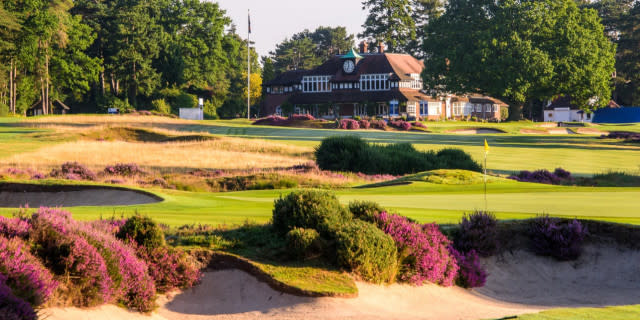
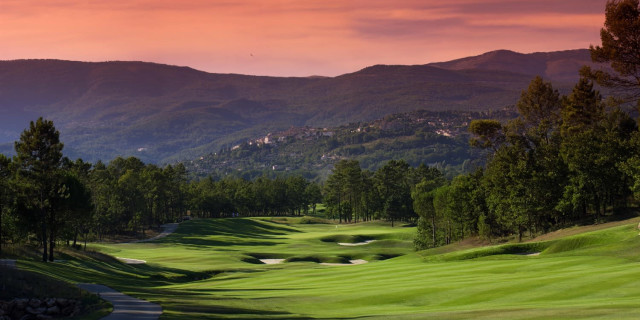
The Old Course at Sunningdale is one of the greats
(Image Credit: Kevin Diss Photography)
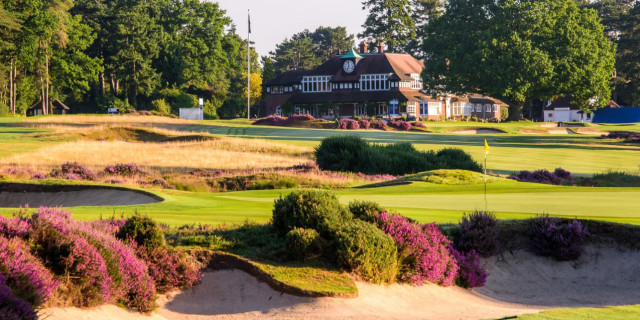
The Old Course was laid out by Willie Park Jr in 1901 before being refined by Harry Colt. The Old Course has a longer history and stronger global reputation. It was among the earliest great inland courses, built on ground many people initially considered unsuitable for golf, with its sandy heathland, heather, and gorse creating a very different test from the links courses of the coast.
The course also carries one of the more famous rounds in the history of Sunningdale. In 1926, Bobby Jones qualified for the Open at Royal Lytham with a remarkable 66, without carding a single five. Standing on those same fairways today, you can feel that history in your feet.
The New Course arrived in 1923, when Colt created a second eighteen on the more exposed ground of Chobham Common. It has a subtly different character from the Old, with tighter fairways and a more demanding test off the tee. Many golfers consider it the more challenging course of the two, but this opinion might get you in trouble in the clubhouse.
History seeps from the fairways of Sunningdale, as the course record on the Old Course belongs to Sir Nick Faldo. This came from an unthinkable 62 during the 1986 European Open. This feat has only been matched once in history, and it just happened to be by Shane Lowry in 2010.
For true golf fans, playing the Old Course for the first time is something of a spiritual experience. The opening hole gives you enough room to settle the nerves, but by the time you reach the turn, the course has gradually begun to tighten. The pine-lined fairways become narrower, approaches become more demanding, and the subtle breaks of the greens begin to deceive. Nothing is obvious, and nothing needs to be. Sunningdale asks questions quietly and then waits for you to answer them. This level of subtle challenge is the true marker of architectural mastery, as breaks and contours like that are only possible when a design settles into a landscape for generations.
Some holes on the Old Course stay with you long after the round is over. The 10th is often described as one of the finest holes in England. From its elevated tee, the fairway sweeps away through the heather below, and the famous halfway hut waits just behind the green.
Few golfers walk past without stopping for one of its sausage sandwiches, which have become almost as much a part of the day as the golf itself.

(Image Credit: Kevin Diss Photography)
The closing stretch then asks for real strength, with the long par 3 15th followed by three demanding par 4s. The round finishes on the 18th, where the great oak tree stands behind the green beneath the clubhouse. That oak is the emblem of the club, and walking towards it on the final hole is one of the great moments in inland golf.
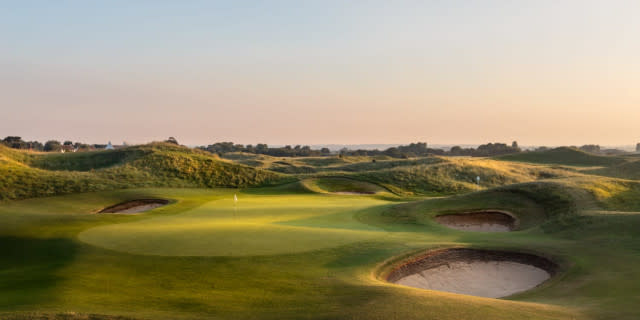
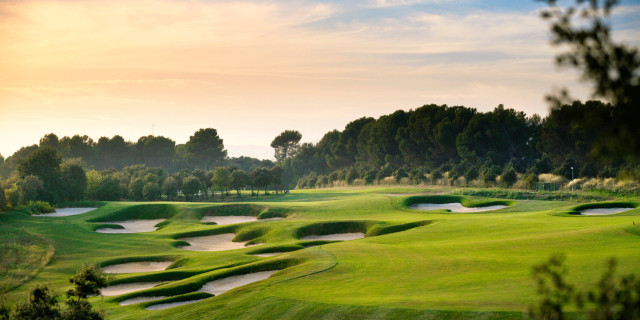
The New Course is exceptional too
(Image Credit: Kevin Diss Photography)
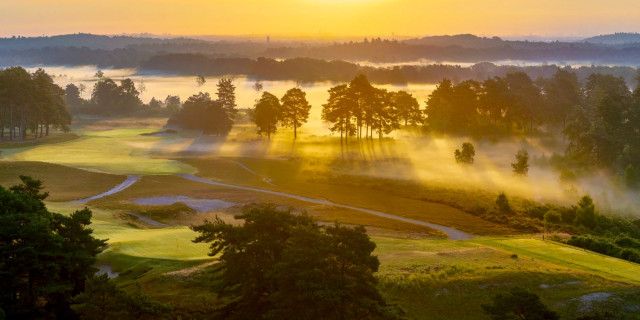
The New Course has its own share of memorable holes, and it stretches to more than 6,700 yards from the back tees. The 5th is often regarded as the best par 3 at the club, playing across a shallow valley of heather to a green that slopes steeply from back to front. It is a classic Colt short hole that looks simple from the tee but rarely plays that way. The 6th follows immediately, and it is here that the course moves from the shelter of the trees onto open heathland. The view from that tee is one of the most striking at Sunningdale, and it shows exactly why so many golfers prefer the New.
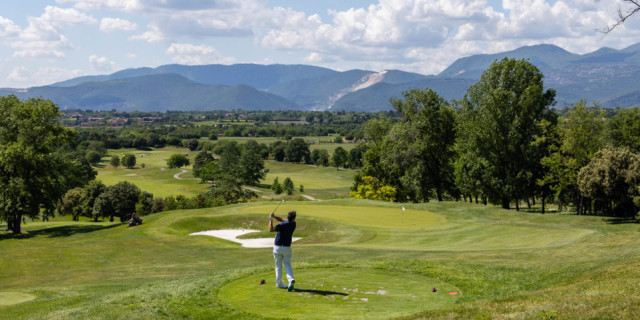
What makes the Sunningdale experience so special?
(Image Credit: Kevin Diss Photography)
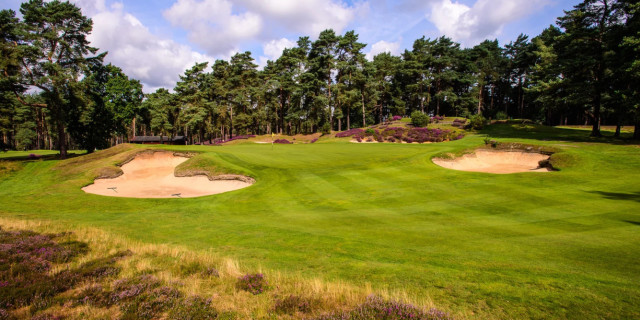
A day at Sunningdale is therefore not really about one spectacular hole, one unforgettable shot, or the museum-like clubhouse. Rather, it is the accumulation of perfect small moments that stay with you. There are clubs with better views, harder layouts, and more luxurious amenities, but that is not what makes a perfect golf course. Sunningdale does everything with the golfer and the experience in mind. It is pristine where it needs to be, wild where it’s supposed to be, and all of this combines into something that is truly hard to articulate.
That is what makes Sunningdale so special. It manages to feel exclusive without being cold, traditional without feeling outdated, and challenging without ever relying on gimmicks. The Old and New Courses offer two different interpretations of the same exceptional piece of heathland, but the real attraction is the feeling that surrounds them both.
For golfers in London, or anyone with the chance to play either course, Sunningdale is the kind of club where the scorecard eventually becomes less important than the memory itself.
If you would like to know more and potentially experience it all for yourself, please visit our travel partners Golfbreaks by clicking here.