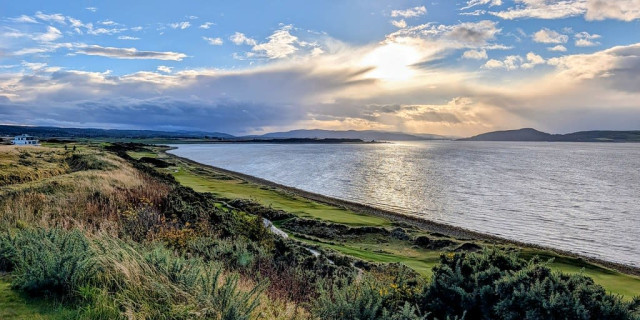
Dublin is one of those rare cities where a great golf trip barely requires a journey at all. Within minutes of landing, golfers can be standing on some of the finest links courses in Ireland, with Portmarnock, Royal Dublin, The Island, and several other highly regarded layouts all clustered around the northern coastline.
Then, once the clubs are put away, Dublin itself provides everything you could want from a weekend away, with historic pubs, excellent food, lively streets, and a city centre that is easy to explore. For golfers looking to pack as much as possible into three or four days, very few destinations make it this easy to combine world-class links golf with a genuinely great city break.
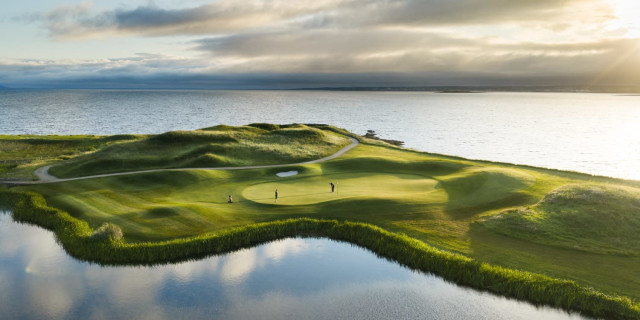
The incredible Portmarnock Golf Club
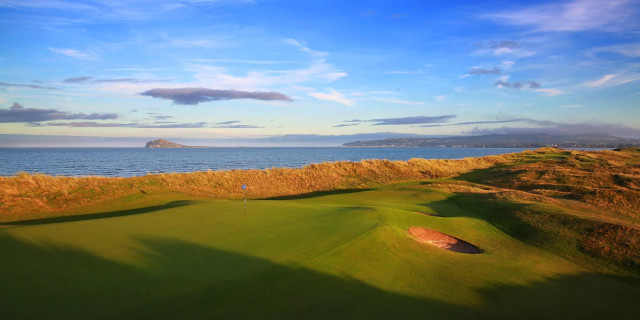
(Image Credit: Kevin Murray Golf Photography)
The obvious headline is Portmarnock Golf Club, the original Portmarnock, rather than the newer hotel links next door that was recently reviewed by Golfshake Ambassador Andy Picken. Occupying its own peninsula on the northern edge of Dublin Bay, the members' course is widely regarded as one of the finest links tests in the world.
It has been at the centre of growing discussion about becoming the first Open Championship venue in the Republic of Ireland. For golfers, that possibility only adds another layer of intrigue to an already remarkable course. Securing a tee time takes some planning and is generally easier through a golf tour operator or by arranging the visit well in advance. Either way, Portmarnock is the kind of course that can justify building an entire trip around.
Royal Dublin is very special
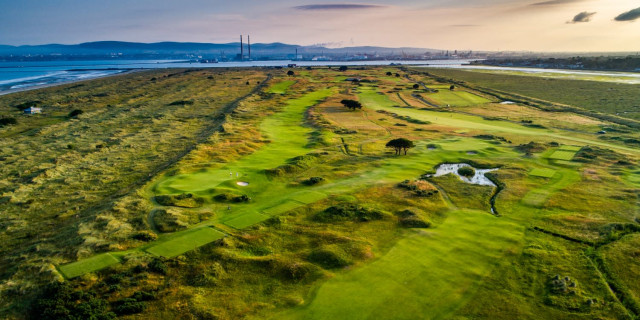
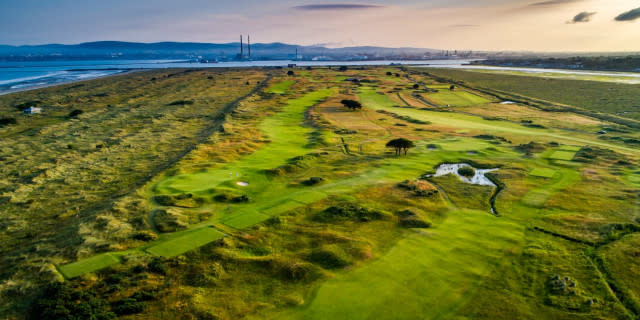
Just up the coast, Royal Dublin offers another completely different links experience. Set on Bull Island in Dublin Bay, the course sits on a genuine sandbank formed after the construction of a sea wall between 1820 and 1825. The course now shares Bull Island with a large bird sanctuary, and once you look beyond the fairways, it is easy to appreciate just how isolated the island feels despite being so close to Dublin.
Founded in 1885, Royal Dublin is Ireland's second-oldest club and was redesigned by Harry Colt in the 1920s. It remains a classic out-and-back links, with the water and Dublin skyline providing a constant backdrop for much of the round. The club is not only deeply rooted in Irish golf history, with Christy O'Connor's memorable victory in the 1966 Irish Open, but also in the wider history of the game, having hosted Seve Ballesteros' victories in the 1983 and 1985 Irish Open.
Corballis is a golf course you simply must play
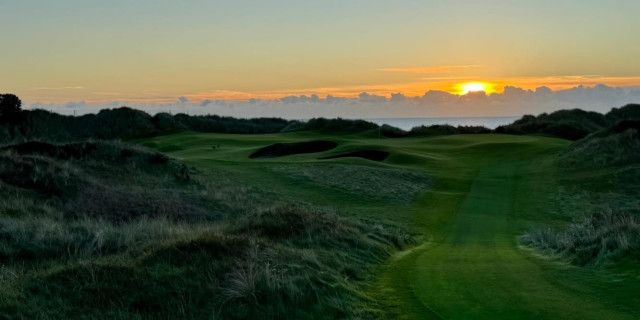
For golfers willing to venture slightly further north, the Donabate peninsula contains an unusually strong collection of links golf within a very small area. The Island Golf Club is the headline attraction, regularly featuring among Ireland's highest regarded courses, but Corballis provides a completely different proposition.
The public pay-and-play links was laid out more than a century ago and offers the same sandy duneland, blind shots, and sea views which define the more prestigious courses nearby. It will never carry the same reputation as Portmarnock, Royal Dublin, or The Island, but that is part of the attraction. Corballis is exactly the kind of course that rewards golfers who are happy to look beyond the biggest names. More importantly, it still feels like a local's course rather than a tourist attraction. You are almost guaranteed to be paired with somebody from the area, and while no local golfer will bat an eye if you tell them you played Portmarnock or The Island, mention Corballis in the pub and watch their eyes light up.
What else should you do in Dublin?
The beauty of Dublin is that the golf does not have to dominate every hour of the holiday. Once the clubs are put away, the city provides more than enough reason to stay out late. Temple Bar is the obvious tourist stop and worth seeing at least once, but some of the city's better food and drinking can be found around Camden Street, Stoneybatter, and the neighbourhoods just beyond the busiest parts of the centre.
The Guinness Storehouse is undoubtedly touristy, but it remains one of those attractions that is worth doing once, while Trinity College and the Book of Kells provides a bit of culture to the trip. The best Dublin golf trips are the ones which leave enough time to actually experience Dublin, rather than treating it simply as somewhere to sleep in between tee times.
When should you plan to visit?
Timing is relatively forgiving compared with many golf destinations. Summer brings the longest days of the year, giving golfers plenty of daylight to fit in multiple rounds alongside sightseeing, but it is also the busiest time to visit. Whereas, spring and early autumn offer a better balance, with the courses still in incredible condition and fewer visitors competing for tee times and accommodation. The weather is obviously less predictable than a desert destination, but that is part of the appeal of links golf, and a little wind and rain only adds to the experience.
How easy is it to get there?
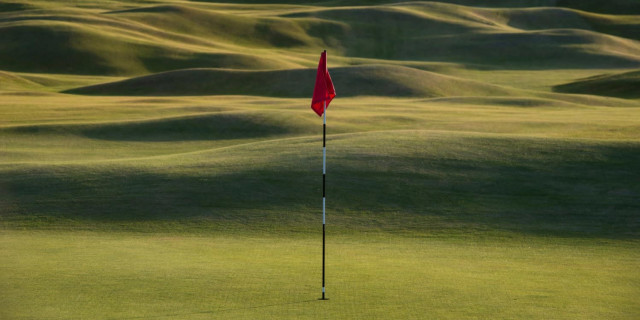
Getting to Dublin could hardly be easier. Dublin Airport sits close to both the city centre and the cluster of links courses to the north, with the Donabate courses only around fifteen minutes away by car. A hire car makes the overall trip considerably easier when moving between courses, although golfers staying centrally can rely on taxis for getting around the city and reaching tee times.
The Island, Portmarnock, and the courses around Donabate are all within forty minutes of the city, meaning you can stay central without spending half the trip travelling. Three or four days is enough to combine one of Portmarnock or Royal Dublin with a round around Donabate while still leaving time for a proper evening or even a full day in Dublin itself.
What makes Dublin such a remarkable golf destination?
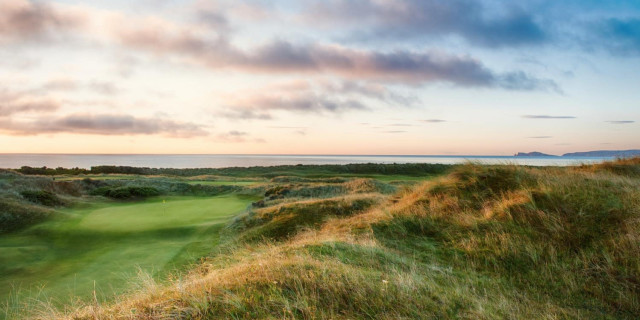
Dublin works because it never feels like you have sacrificed one part of a holiday for another. The golf is serious enough to satisfy any golfer, while the city provides everything needed to make the trip feel like more than a succession of tee times.
One morning you can be standing on a famous Irish links with the sea blowing across the fairways, and that same evening you can be sitting atop the Guinness factory enjoying a pint directly from the source. That combination of accessibility, quality, history, and atmosphere is what makes Dublin such a complete golf destination.
If you would like to know more about planning a golf trip to Dublin, please visit our travel partners Golfbreaks who can offer you some of the very best deals and packages. Golfers based in North America should click here to put together their visit to the capital of Ireland.