No, you're not alone in thinking that everything seems more expensive these days. Whether it be the price of food, fuel, energy - and just about anything else you can pick from - inflation and rising costs have impacted each part of our daily lives.
And that is most certainly the case in golf too.
Green fees have become a controversial topic in recent years, especially since the participation boom that occurred during the pandemic, with a pent-up desire to travel throughout that time subsequently exploding into a surge of international visitors seeking to tick off many of the finest layouts in the land.
Some Courses Are Too Expensive For Many Golfers
The ultimate bucket list courses are now eye-wateringly costly to play, prohibitively so for a significant proportion of golfers who simply cannot afford to part with hundreds of pounds, euros or dollars to enjoy 18 holes on an admittedly extraordinary design.
But it's not just the biggest names who have been guilty of hiking up their fees lately. The number of top ranked courses now that can be typically accessed for under £100 in the UK is diminishing all the time, and that should be both worrying and saddening. It creates the image of an arms race, where every venue is trying to keep up with the competition, and consequently prices are rising annually.
However, assuming enough people are willing to pay, which evidently remains the case, this trend will only continue, but when does it become too much, where is the point when golfers decide they've simply had enough of being ripped off?
Some may bristle at the idea that playing one of the world's best golf courses can be considered a rip off - you naturally should pay more for genuine quality - but when green fees effectively double in cost within a handful of years, way beyond any level of inflation, you are being overcharged to a stage where it can feel morally fraudulent.
New Carnoustie Green Fee Concerns Travel Operators
(Image Credit: Kevin Diss Photography)
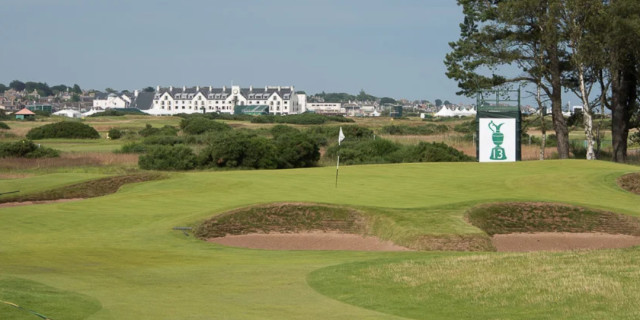
The Championship Course at Carnoustie is one of the most celebrated layouts in Scotland, a major venue with a universally admired reputation, but there was shock when it was revealed that the peak season green fee to play there in 2027 would increase by 25% on this year.
If you wish to walk in the footsteps of Ben Hogan, Gary Player, Tom Watson and Padraig Harrington, all of whom lifted the Claret Jug there, next summer you will be expected to pay £450 for the opportunity.
That is a significant jump from the already high cost of £360 that visitors must pay in 2026.
How Does it Compare to Other Top Golf Courses?
But how does this compare to other equivalent destinations? Golf travel expert and tour operator, David Jones, keeps a close eye on green fee trends as part of his insightful UK Golf Guy blog and presented his findings earlier this year, revealing that the average peak summer green fee across top 100 courses in the UK was £265, a rise on £161 in 2021, just five years before.
He also notes that the top 25 courses (which includes Carnoustie) average £407, up from £352 in 2025.
Looking here, your eyes are quickly drawn to the (simply unconscionable) £1,000 green fee at Turnberry to play the Ailsa Course, with Royal County Down (£450), Royal Portrush (£420), Kingsbarns (£486), Royal Liverpool (£450) and Royal Lytham & St Annes (£460) being among the highest costing courses to play.
Royal Birkdale, host of the Open Championship in 2026, has been charging visitors £495 to play there this season, albeit they also introduced this welcome initiative for golfers based in England, Scotland, Wales and Ireland to play for dramatically less.
When Does it Become Too Much?
The Herald's business correspondent Kristy Dorsey has reported that there is growing concern among industry figures, writing: "Speaking privately, some tour operators have expressed concern that decisions on big hikes like the one at Carnoustie are being made with little consideration to the potential implications for the broader market across Scotland. For the moment the demand is still there, but the question is how far to push the limits of pricing."
What makes the Carnoustie example striking is that, unlike an exclusive private club (such as Muirfield) or a luxury resort (like Turnberry), the courses there were, until recently, in public hands.
But Angus Council last year ceded control of the famed links to Carnoustie Golf Heritage and Hospitality Group, which is a private company that had previously taken over the iconic hotel that sits behind the 18th green of the Championship Course. Having invested millions to upgrade the accommodation facilities, this group has a lease on the courses until 2033, but is actively seeking to extend that further.
This Carnoustie story is just the latest chapter in a tale that only seems to be going in one direction, but when will the limit be reached, at what point are our leading courses putting themselves to a level when they simply push away too many people?
Because that moment must surely be edging closer as the green fee surge reaches even more unbelievable heights.
 X / Twitter